

What Can I Put Through the Business? A Practical Guide to Business Expenses
Wondering what you can put through the business?
Here’s a practical guide to allowable expenses and what “wholly and exclusively for the business” actually means.
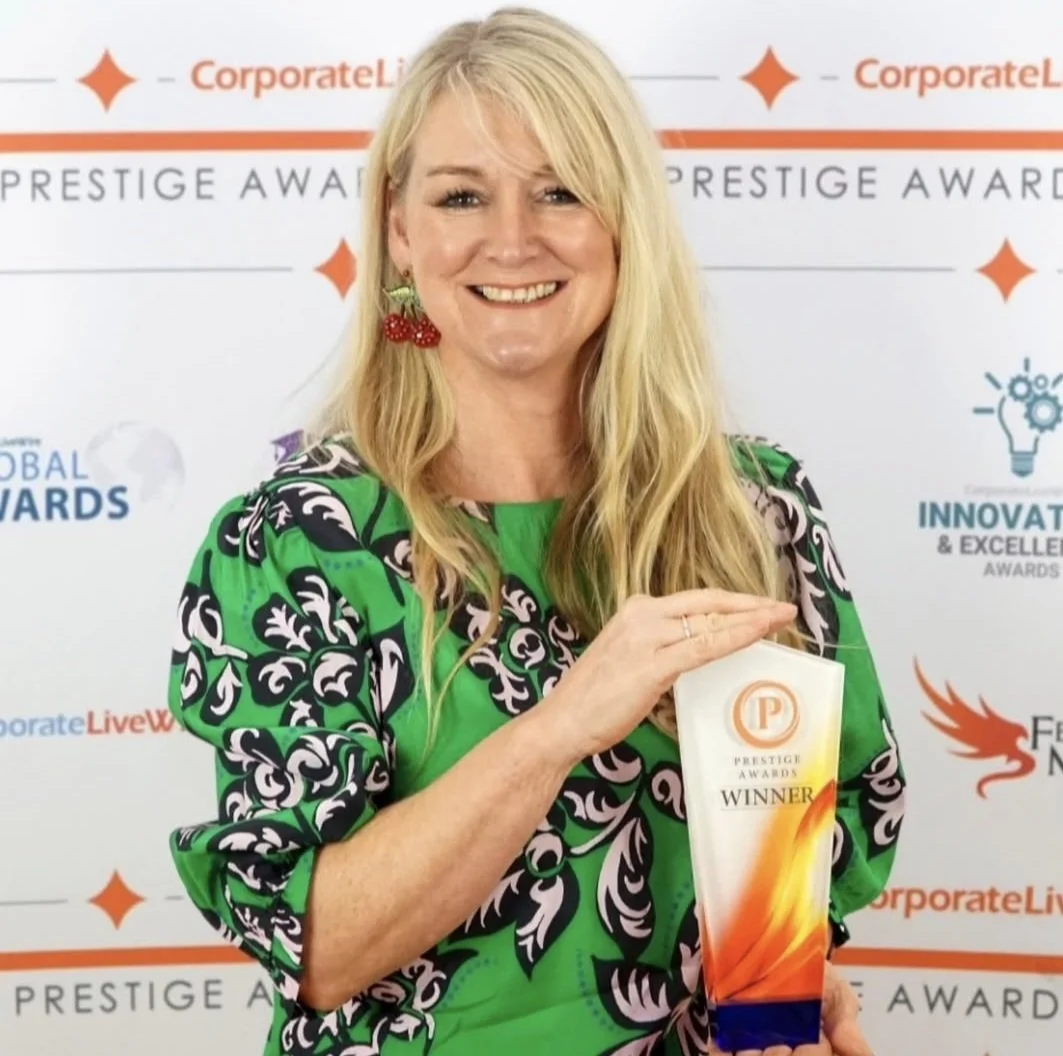
Case Study: Sarah Garg, Civil Celebrant
Sarah Garg is a family celebrant, working with couples to create personal wedding ceremonies and with families to mark the life of someone they’ve lost.
When her previous accountant retired, Sarah found herself needing to find someone new. She wanted an accountant who was approachable, easy to contact and able to explain things clearly, without making everything feel more complicated than it needed to be.
After seeing AFor Accounting recommended several times in a Facebook discussion, Sarah got in touch with Allison and quickly felt she’d found the right fit.
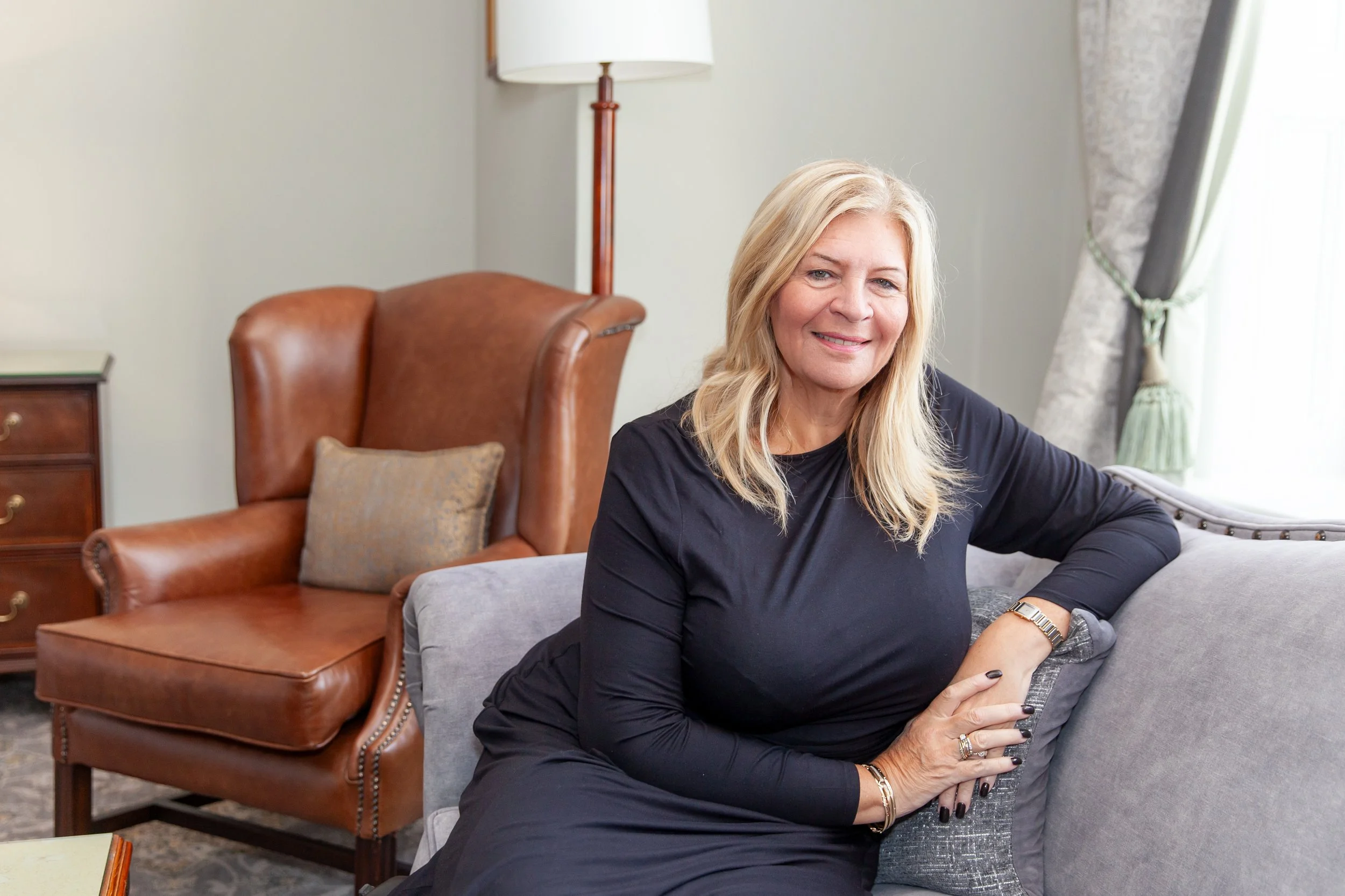
Small Business Accounting: 10 Practical Steps to Stay on Top of Your Finance
Small business accounting doesn’t need to feel complicated. Here are 10 practical steps to keep your records organised, understand your numbers and stay on top of your finances.

Case Study: Secret Door Events
When Rosie Spencer and Sarah-Jane Wilson launched Secret Door Events, they wanted an accountant they could trust, talk to easily and rely on for straightforward advice.
Rosie shares how working with Alison has given them confidence in their numbers and more time to focus on growing the business.
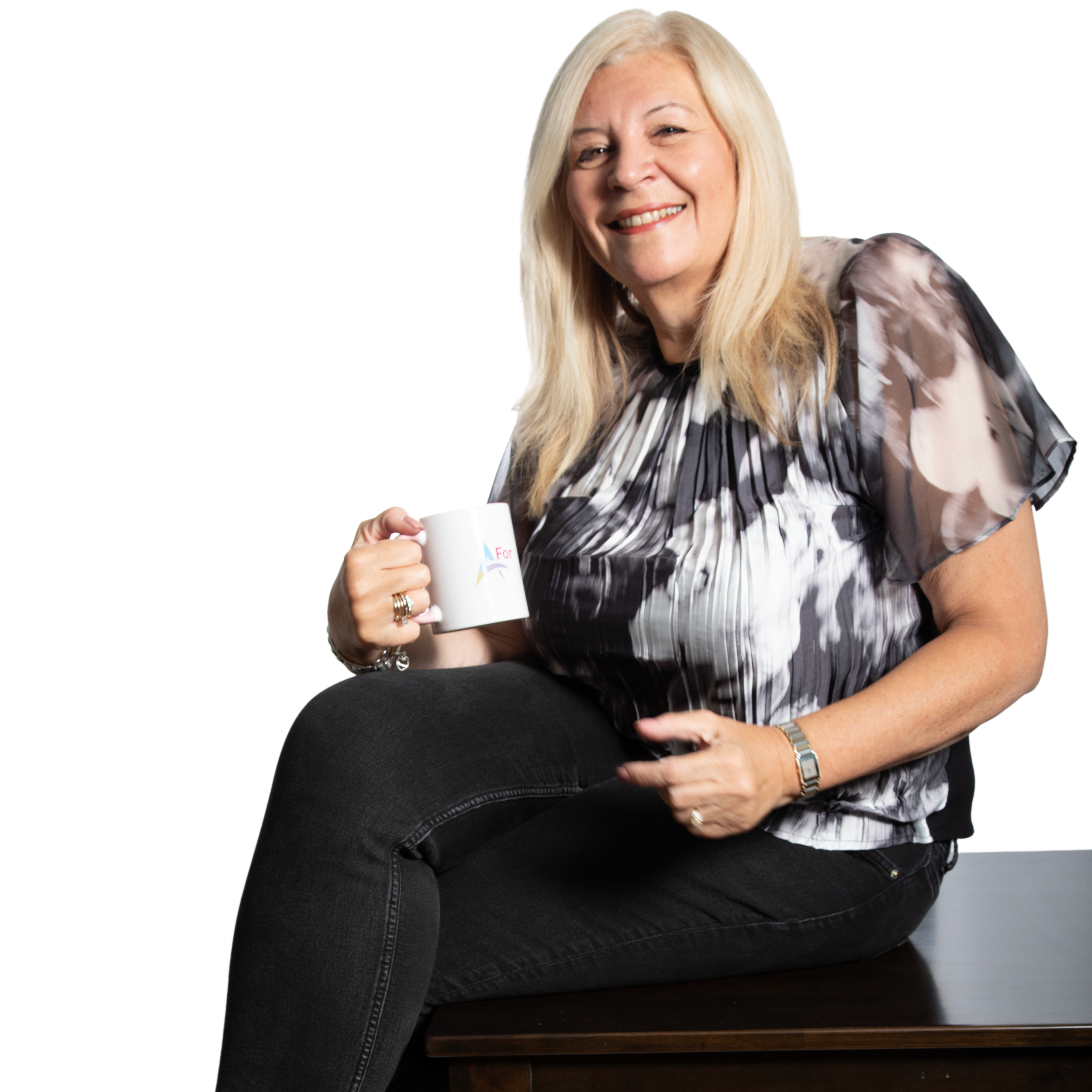
Profit vs Cashflow: What’s the Difference?
A business can be making a profit and still be short of cash. That’s usually where the difference between profit and cashflow starts to matter.
Profit tells you whether the business is making money. Cashflow tells you whether there is enough money available when you actually need to pay the bills.
Knowing the difference helps you understand what is really happening in your business.

Limited Company vs Sole Trader: Which Is Better for Your Business?
Not sure whether to stay as a sole trader or set up a limited company?
In this blog post, we look at the practical differences between the two, including tax, liability, admin and what Making Tax Digital now means for sole traders, so you can make the choice that fits your business.

Making Tax Digital for Income Tax: A Practical Guide for Sole Traders and Landlords
Making Tax Digital for Income Tax is now in place for some sole traders and landlords.
If your qualifying income is over £50,000, you should have started using Making Tax Digital from 6 April 2026.
If you’re not sure whether it applies to you, whether you should already be registered, or what you actually need to do each quarter, this guide takes you through it.